The Core Role of Automotive Filters in Vehicle Performance
Automotive filters are indispensable components that safeguard engine health, optimize performance, and extend vehicle lifespan. As critical guardians of a vehicle’s internal systems, they eliminate contaminants that could cause premature wear and mechanical failure. The four primary types—oil, air, fuel, and cabin filters—each serve distinct yet interconnected functions.
Oil filters trap metal shavings, carbon deposits, and sludge from engine oil, ensuring lubrication of moving parts and preventing friction damage. Air filters block dust, pollen, and debris from entering the engine’s combustion chamber, maintaining efficient fuel burn and reducing engine wear. Fuel filters remove water, rust, and impurities from gasoline or diesel, protecting fuel injectors and ensuring consistent engine performance. Cabin filters, increasingly vital, filter PM2.5 particles, allergens, and exhaust fumes, enhancing interior air quality for passengers.
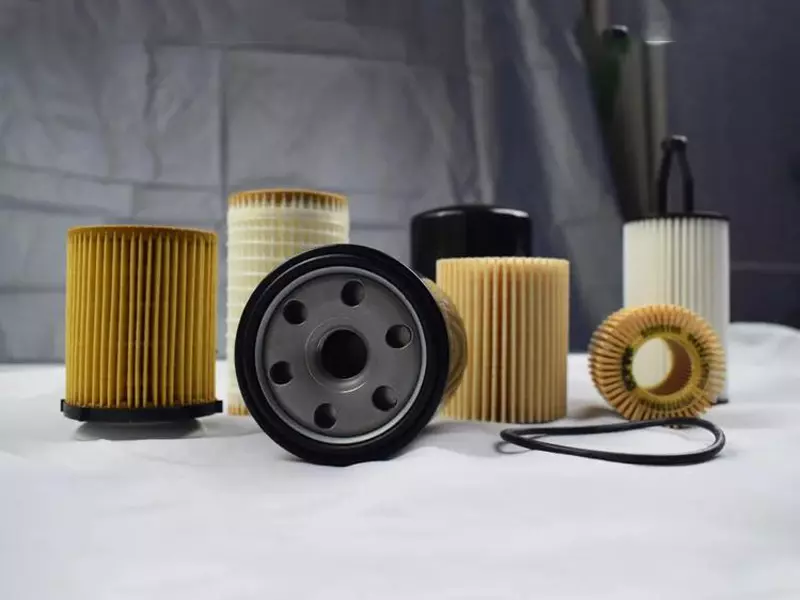
Without regular filter maintenance, engines suffer reduced efficiency, increased emissions, and higher breakdown risks. For instance, a clogged air filter can cut fuel economy by up to 10%, while dirty oil filters accelerate engine component degradation. As vehicles grow more technologically advanced, the demand for high-quality filters rises, making them essential for both daily driving and long-term vehicle reliability.
